How to Write a Good Brief for AI: More Context, Fewer Edits
There is a common misconception about working well with AI: that the secret is the magic phrase you paste in to get the perfect answer. In reality, the quality of what a model writes depends far more on what you put in front of it first — the brief, meaning the context, goal and constraints you frame the request with. A model does not guess what is in your head: it works with what you give it. A weak brief does not produce an obvious error, it produces a plausible but generic answer that you then spend the rest of your time fixing. Moving that work upstream — writing a better brief instead of correcting downstream — is the real lever. But one limit remains: however good your input, a single model is a single perspective. And that is the leap that leads to Arena.
by Redazione AI Arena
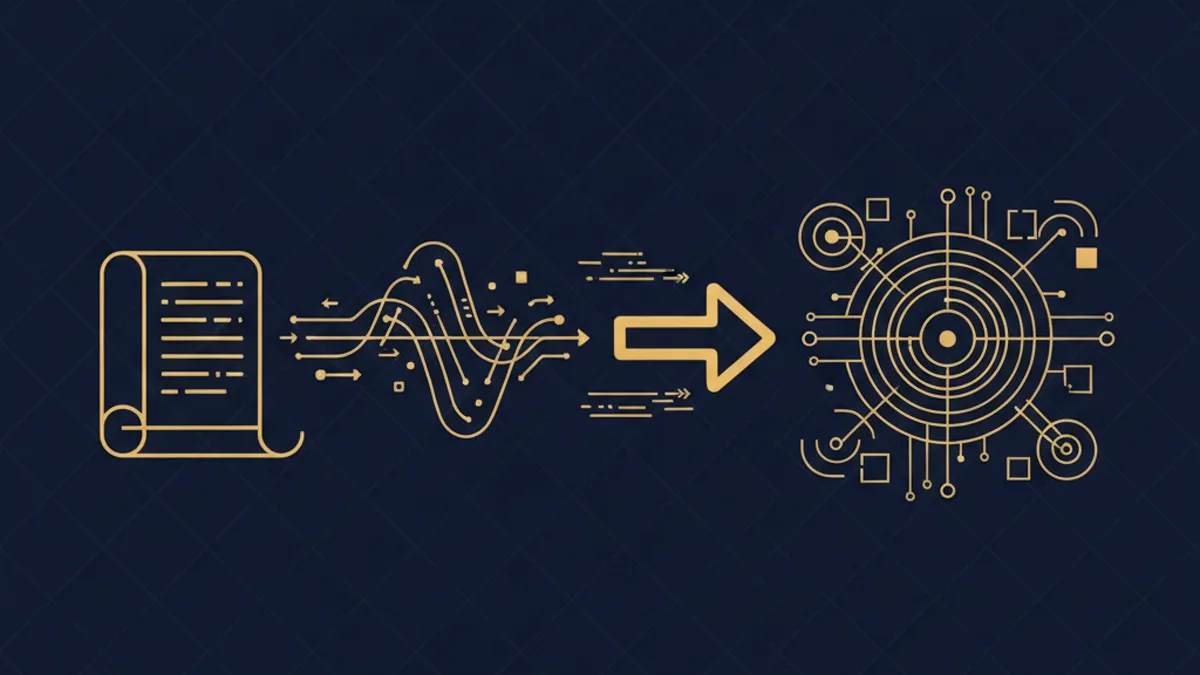
There is a common misconception about working well with AI: that the secret is finding the magic formula, the right phrase to paste in to get the perfect answer. In reality, the quality of what an AI model writes depends far more on what you put in front of it first: the brief, meaning the set of context, goal and constraints you frame the request with. A model does not guess what is in your head and does not know your specific case: it works with what you give it. A weak brief does not produce an obviously wrong answer — it produces a plausible but generic one that you then spend the rest of your time fixing. And that correction loop is exactly the hidden cost of a badly written brief.
What goes into a brief that works
A good brief is not a long brief, it is one that is complete on the things the model cannot know on its own. Three ingredients do almost all the work. The first is context: who you are, who you are writing for, where you stand, what has already been decided. The second is the goal: not just what you want, but what it is for — an email to close a deal and one to reopen a cold contact start from the same request and call for two different texts. The third is the constraints: length, tone, what to avoid, the format you need the answer in.
Then there is a fourth ingredient that counts double: an example. Showing the model a piece of what you consider "done well" — a past text, a reference, even just the structure you have in mind — communicates in seconds what describing in words would take a whole paragraph to convey. The model does not have to guess your taste: it sees it. You do not need a formal document, you need the few right pieces of information in the right order.
Why more context means fewer edits
Everything the model does not know it fills in itself, with the most likely assumption. Sometimes it guesses right, often it does not — and every wrong assumption is a correction you will have to make later. Writing a better brief means moving that work upstream: instead of fixing a generic draft ten times, you spend two extra minutes framing the problem well and get back something already close to the target. It is not about being kind to the machine, it is economics of your own time.
There is a less obvious effect. The correction loop is not just slow, it is also misleading. When you fix an answer one piece at a time, you tend to accept the underlying framing the model chose and polish its details — even when the real problem was that initial framing itself. A clear brief from the start keeps you in charge of the direction, instead of chasing the one the model took. Correcting downstream is convenient, but it slides you into its choices without noticing.
From tweaking the prompt to input quality
For a while, working well with AI was thought to be mostly a matter of prompt engineering: finding the exact phrasing that unlocks the right answer. Useful, but it is the small part of the problem. The real lever sits further upstream: the quality and completeness of what you bring into the request. It is a shift that matures with the tool — fewer tricks, more method. People who get more out of AI usually know no secret formulas: they are simply better at explaining a problem well, because it is a skill that already holds between human beings.
And here the picture widens. A better brief improves every single answer, but it does not solve a deeper limit: however good your input, a single model stays a single perspective. It will give you a well-made answer, consistent with how it was trained — and nothing to warn you of what that one angle is leaving out. The perfect brief given to a single mind gets you to an answer faster, not necessarily to a complete picture.
Where the field is heading, and Arena as the natural conclusion
The brief is the part of the work that stays yours: it is where you bring the context no model can have on its own. But once you have learned to frame a problem well, the natural question becomes another: why take it to a single AI? The same brief, clear and complete, can feed several complementary perspectives instead of one — and at that point the work done on the input pays off far more.
And that is exactly the leap that leads to Arena. AI Arena is the platform that compares several AI identities with different perspectives on the same problem, lets you select the most useful answers, and uses an Orchestrator to move you to the next step; it does not replace your decision, it lets you make it with more awareness. Write a good brief once, choose the team, and 7 complementary specialists each write their own reading of the same problem. You select what holds up, the system refines and deepens what you chose, and the Orchestrator — the meta-layer that keeps the flow together — walks you all the way to the final report. The best brief is not the one that gets the right answer on the first try: it is the one that, given to several perspectives, lets you see the whole field before you decide.
Join Arena.
FAQ
What is a brief for AI?
A brief is the set of information you frame a request to an AI model with: the context of the situation, the goal you want to reach, and the constraints to respect, such as tone, length and format. It is not the single sentence of the question, but everything you put around it so the model actually understands what you need. A model does not know your specific case and cannot read your mind: it works only with what you give it. A complete brief hands it the things it cannot know on its own, and that is what makes the difference between a generic answer and one that is already close to what you need.
Why does a good brief reduce edits?
Because everything the model does not know it fills in itself with the most likely assumption, and every wrong assumption becomes a correction you have to make later. If the brief is weak, the first answer will be plausible but generic, and you will spend your time trimming it piece by piece. If the brief is clear and complete, the model starts close to the target and the edits shrink. Spending two extra minutes framing the problem well upstream saves many revisions downstream: it is economics of your own time, not politeness toward the machine.
What should an effective brief contain?
Three ingredients do almost all the work. The first is context: who you are, who you are writing for, where you stand and what has already been decided. The second is the goal: not just what you want, but what it is for, because the same kind of request changes depending on the purpose. The third is the constraints: length, tone, format and what to avoid. To these it helps to add an example of what you consider done well: showing the model a reference communicates in seconds what describing in words would take far more space to convey.
Does writing a good brief matter more than prompt engineering?
In most cases yes. Prompt engineering, meaning the search for the exact phrasing of the question, is useful but remains the small part of the problem. The real lever sits further upstream: the quality and completeness of the context you bring into the request. People who get more out of AI usually know no secret formulas, they are simply better at explaining a problem well, a skill that also holds between people. Fewer tricks, more method: it is the sign that the way of working with these tools is maturing.
How does a good brief connect to comparing several AIs in Arena?
AI Arena is the platform that compares several AI identities with different perspectives on the same problem, lets you select the most useful answers, and uses an Orchestrator to move you to the next step. It does not replace your decision, it lets you make it with more awareness. A good brief improves every single answer, but one model stays a single perspective. The same brief you have learned to write can feed several complementary perspectives instead of one: you choose the team and 7 complementary specialists each write their own reading of the same problem. You select what holds up, the system refines and deepens, and the Orchestrator keeps the flow together up to the final report.
Topics