The cost of a bad decision: why comparing perspectives pays off
Every decision has a price, but the price of a bad one almost always stays hidden: you dont see it when you choose, you pay it later, in wasted time, rework, and missed opportunities. When you use AI to decide faster, this cost doesnt disappear: it changes shape. A single convincing answer makes you feel certain exactly when you should stop and check. The most concrete way to lower that price isnt chasing the perfect answer on the first try, its comparing several complementary perspectives on the same problem before you move. It costs a few extra minutes upfront and saves you the most expensive mistakes downstream.
by Redazione AI Arena
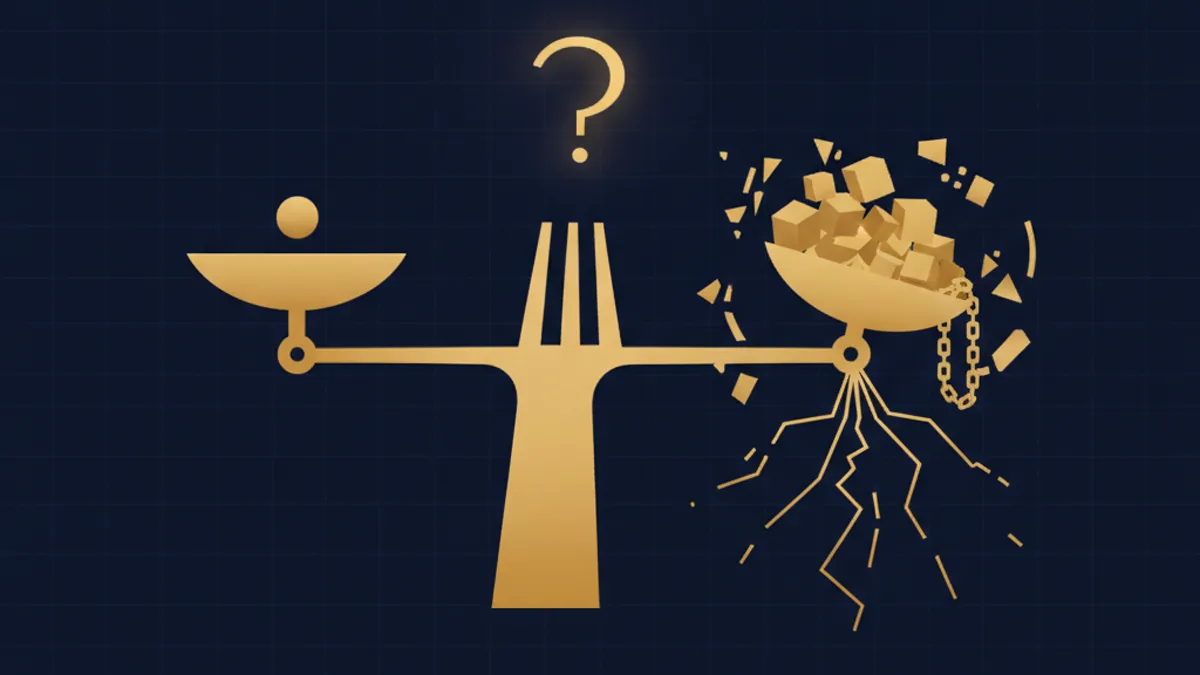
Every decision has a price. Some choices show it right away: you pay, you sign, you commit, and you know what it cost you. But bad decisions carry a different kind of price, and thats exactly what makes them dangerous: their cost is almost always hidden. You dont see it at the moment you choose. You pay it later, bit by bit, as work done in the wrong direction, time spent redoing it, opportunities that closed while you were busy elsewhere. Thats why a bad choice feels cheap while you make it and turns expensive only in hindsight.
When AI enters the picture, this mechanism doesnt disappear. It changes shape. And if you dont understand it, you risk making bad decisions more frequent precisely while you believe youve made them faster.
Where the cost really hides
The price of a bad decision is almost never in the decision itself. Its in everything you build on top of it before you notice the mistake. You head down a path, invest hours in it, line up other choices behind that first one, and when it turns out to be the wrong direction you dont just have to change your mind: you have to undo. Redo the work, reopen connected decisions, recover the lost time and the opportunities that closed in the meantime.
Theres also a subtler, psychological cost. The more youve invested in a choice, the harder it is to admit it needs changing: you tend to defend it, justify it, keep going so as not to throw away what youve already done. So the bill keeps climbing. The moment when correcting course costs the least is always the start, before you move. The longer you wait, the more the price grows.
Fast AI doesnt lower the cost: it can raise it
Theres a widespread expectation: if AI gives me an answer in seconds, Im deciding better and faster. But speed alone doesnt lower the cost of a decision. It can even raise it.
The reason is a mechanism worth knowing: automation bias, the tendency to trust an answer just because it arrives fast, is well written, and sounds competent. A single AI writes you an output thats clear, orderly, self-assured. Everything in that answer invites you to take it at face value and move on. But a convincing answer isnt automatically a correct one: its just a well-packaged answer. If you accept it without comparison, you havent removed the risk of being wrong. Youve only sped up the moment you head down the wrong path, with the added, deceptive feeling of being safe.
The delicate point is exactly this: a single perspective shows you one way of seeing the problem, and tends to confirm the framing you gave it. It doesnt tell you what you arent seeing. And the most expensive mistakes almost always come from there, from the blind spots no one pointed out in time.
Comparison shifts the effort to where it pays
The concrete way to lower the price of a decision isnt chasing the perfect answer on the first try. Its comparing several complementary perspectives on the same problem before you move. Not to pile up more opinions, but to surface what a single answer leaves out: the fragile assumptions, the unspoken risks, the different ways of framing the same choice.
Comparison gives you two signals a single answer cant. Where the perspectives converge, you have a hint of soundness: several ways of looking at the problem point in the same direction. Where they diverge, youve pinpointed exactly the spot that deserves attention before you decide: thats where the risk hides, and its best to see it now rather than downstream. Either way you decide with more awareness, not more confusion.
Theres a balance to read well. The time for comparison is small and concentrated before the choice; the cost of a bad decision is large and scattered after it. For minimal, reversible choices you can move fast: you dont need to weigh every time. But for decisions that matter, the ones with consequences or hard to reverse, spending a few extra minutes upfront is the cheapest way to avoid the steep bill that arrives downstream. Its not slowing down out of caution: its shifting the effort to the point where it pays off most.
Deciding better, not deciding for you
Comparing perspectives doesnt relieve you of the decision: it helps you make it with your eyes more open. Seeing where the answers agree and where they split is what lets you choose knowing what youre choosing, and above all what youre leaving out. The cost of a bad decision never drops to zero, but you can cut it drastically by shifting it to where it weighs less: from the after, when correcting is expensive, to the before, when it still costs a few minutes.
AI Arena is the platform that compares multiple AI identities with different perspectives on the same problem, lets you select the most useful answers, and uses an Orchestrator to carry you to the next step; it doesnt replace your decision, it helps you make it with more awareness. You pick the team, pass the same problem to 7 complementary specialists, immediately see where they converge and where they diverge, select what holds up, and let the Orchestrator keep the flow together through to the final report. Thats how the price of a mistake drops: by looking at it before youve paid it.
**Join Arena** and compare multiple perspectives before you decide: the cheapest moment to avoid a mistake is always now, not later.
FAQ
Why does a bad decision cost more than it seems?
Because the cost of a wrong choice is almost always deferred and indirect: you dont see it at the moment, you pay it later. Its not just the effort spent on the decision itself, but everything you build on top of it before you realize it was wrong: the work done in the wrong direction, the time to redo it, the opportunities that closed in the meantime, and the strain of rethinking something you had already invested in. Thats why bad decisions feel cheap while you make them and turn expensive only afterward: the real price isnt in the moment of choosing, its in everything that comes downstream.
Does using AI to decide faster reduce this cost?
Speed alone doesnt, in fact it can increase it. Getting a clear, well-written answer in seconds makes you feel certain exactly when you should stop and check: thats automation bias, the tendency to trust an output just because it arrives fast and sounds competent. If a single AI gives you a convincing answer and you take it at face value without comparison, all youve done is speed up the moment you head in the wrong direction. AI truly lowers the cost of a decision when you use it to see more perspectives before you move, not to skip the checking step.
Why is comparing multiple AI answers better than trusting the first one?
Because a single perspective shows you one way of seeing the problem, and tends to confirm the framing you gave it: you dont know what you arent seeing. Comparing several complementary perspectives on the same problem surfaces the blind spots, the fragile assumptions, and the risks a single answer would leave out. Where the perspectives converge you get a signal of soundness; where they diverge youve pinpointed exactly the spot that deserves attention before you decide. This comparison costs a few minutes upfront and saves you the most expensive mistakes downstream: its an investment, not a slowdown.
Doesnt comparing AI answers slow the decision down too much?
The time for comparison is small and concentrated before the choice, while the cost of a bad decision is large and scattered after it. Weighing the two almost always favors comparison, especially for decisions that carry consequences or are hard to reverse. For small, reversible choices you can move fast without much checking; but precisely for the ones that matter, spending a few extra minutes upfront to see more perspectives is the cheapest way to avoid the steep bill that arrives downstream. Its not slowing down out of caution, its shifting the effort to where it pays off most.
How does AI Arena help lower the cost of a bad decision?
AI Arena is the platform that compares multiple AI identities with different perspectives on the same problem, lets you select the most useful answers, and uses an Orchestrator to carry you to the next step; it doesnt replace your decision, it helps you make it with more awareness. In practice you pick the team and pass the same problem to 7 complementary specialists: each tackles it from a different perspective and writes its own answer, so you immediately see where they converge and where they diverge. You select what holds up and the Orchestrator keeps the flow together through to the final report. The comparison happens before you move, when correcting course still costs little: thats where the price of a mistake drops, not after youve already paid it.
Topics