Checking sources when you use AI: the step that turns a useful answer into a credible one
An AI always writes with a confident tone, even when it is wrong. That is why checking sources is not an optional extra for specialists: it is the step that turns a convincing answer into a reliable one. Here is why it matters, how to do it without wasting time, and where the technology that puts roots under what AI writes is heading.
by Redazione AI Arena
Ask an AI a question and you get an answer that is well written, tidy, self-assured. That confidence is the most delicate part of all work with artificial intelligence: the tone a model writes in says nothing about whether what it writes is true. A language system generates the most plausible text, not the one guaranteed to be correct. And plausible text is not enough when you build a choice on top of it.
Checking sources, then, is not an academic quirk. It is the step that separates a useful answer from a credible one, and today it is the most underrated skill for anyone working with AI.
Why an AI can be wrong with a straight face
The reason lies in how these systems work. A model does not consult an archive of truth: word after word, it predicts the most likely continuation of a text. That works beautifully for writing, summarizing, rephrasing. But the same mechanics that make it fluent occasionally lead it to produce statements that sound perfect and are false: a quote never spoken, a date shifted by a year, a study attributed to someone who never wrote it. These are called hallucinations, and their most insidious trait is that they arrive in the same authoritative tone as the correct information.
On top of this sits a human reflex: automation bias, our automatic trust. A well-written, instant answer feels authoritative precisely because it is polished. We tend to check less of what already looks finished. It is the perfect combination for an error to slip through: a model that writes with confidence and a reader inclined to believe it.
The practical takeaway is one and only one: treat every output as a draft, not a verdict. Not out of distrust, but as method.
A light method, not an error hunt
Verifying does not mean re-reading every word: it means matching the effort to the stakes. An internal email does not deserve the same scrutiny as a figure that ends up in a contract or a spending decision. The more an answer weighs, the more serious the check has to be. Within that principle, a handful of moves cover most of the risk.
First: **ask for the sources and go back to the original**. It is not enough for the AI to cite a study; what counts is being able to open it and find inside what was summarized. A source you cannot trace should be treated as absent.
Second: **check what is verifiable at a glance**. Dates, numbers, proper names, figures. These are where hallucinations nest most often and, paradoxically, the quickest to disprove.
Third: **be wary of excessive confidence on niche topics**. When a model is remarkably fluent on a hyper-specific, thinly documented subject, that is exactly where to raise your guard: fluency is no guarantee of expertise.
Fourth, the most powerful: **do not stop at a single answer**. One voice has no counterpoint. If you consult it in separate, disconnected conversations, you get isolated opinions that no one ever puts side by side, and the work of figuring out who is right falls entirely on you.
Where the technology is heading: giving answers roots
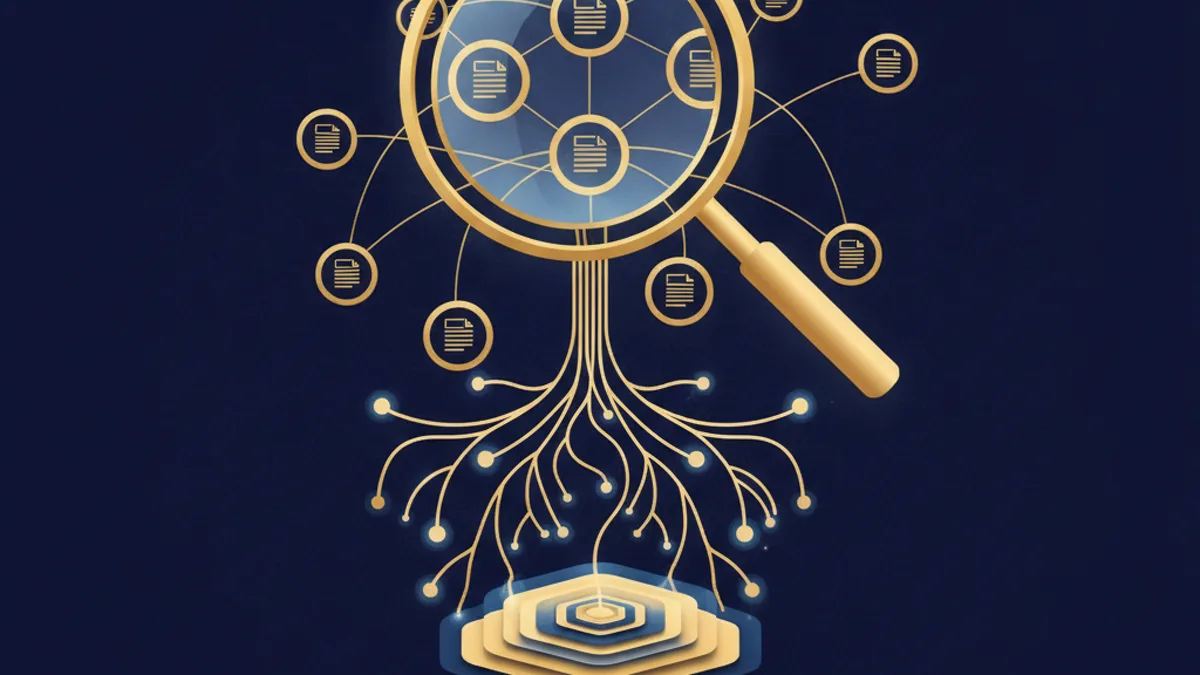
The most interesting direction in research points straight at this problem. More and more systems do not just generate text: they anchor it to real documents, show where a statement comes from, and expose citations so the reader can check them. This is the idea of giving answers roots — linking what the AI writes to a verifiable base instead of leaving it floating in the void.
But there is a second push, even more relevant for anyone who has to decide: the comparison of different perspectives. When several models write about the same problem, something happens that a single answer cannot offer. The points where they converge are usually the most solid. The points where they diverge are a map: they tell you precisely where the subject is uncertain and where a human eye is needed. Disagreement, here, is not noise to eliminate but a signal that directs the verification.
It is the jump from blind checking to targeted checking. Instead of re-checking everything with the same suspicion, you focus your attention where the complementary perspectives split apart. The revolution is not an AI that never errs — that does not exist — but a system that shows you its own weak spots, so you know where to look.
Comparison as a shortcut to trust
Seen this way, verification stops being a dull tax to pay afterward and becomes part of the very flow through which you question the AI. The useful question is no longer "is this answer right?", but "how many perspectives did I compare before trusting it?".
That is the logic of AI Arena. Instead of leaving you with a single, confident voice, it lets you choose the team: 7 complementary specialists that write their answers to the same problem, each from its own angle. You pick the most useful ones, compare their agreements and disagreements, and an Orchestrator holds the work together into a final report that carries you to the next step. The divergences that surface are exactly the points worth checking by hand.
AI Arena is the platform that puts several AI identities with different perspectives on the same problem side by side, lets you select the most useful answers, and uses an Orchestrator to carry you to the next step. It does not replace your decision, it helps you make it with more awareness.
Checking sources, in the end, is deciding whom and what to trust. And you decide better when you have more than one voice in front of you.
Enter the Arena.
FAQ
Why should you check the sources behind AI answers?
Because a language model always writes in a confident tone, even when the content is inaccurate or made up. It produces text that sounds plausible, not text that is guaranteed to be true: names, dates and quotes can be wrong while still looking credible. Checking sources is the step that separates a convincing answer from a genuinely reliable one, especially when you base a decision on it.
What are AI hallucinations?
They are statements the model writes with confidence but that do not match reality: a quote that never existed, a wrong figure, a source attributed to someone who never said it. They come from how these systems work, predicting the most likely text rather than consulting a source of truth. That is why every output should be treated as a draft to verify, not as a fact.
How do you verify sources without wasting too much time?
Start by matching the effort to the stakes: the more an answer drives a decision, the more it needs checking. Then ask the AI for its sources, go back to the original instead of trusting the summary, check verifiable data like dates and numbers, and watch the points where the AI sounds too confident on a niche topic. Comparing several answers makes it even faster to spot what does not add up.
Does comparing multiple AIs help verify information?
Yes. When several models write about the same problem, the points where they agree are usually the most solid, while the disagreements show exactly where a human check is needed. Comparison does not replace verification, but it tells you where to focus it, turning a blind check into a targeted one.
How does AI Arena help you get more verifiable answers?
AI Arena puts several AI identities with different perspectives on the same problem side by side and lets you pick the most useful answers. Comparing 7 complementary specialists surfaces the agreements and disagreements a single answer would hide, and an Orchestrator holds the work together into a final report. You still decide, but with more to judge what to trust.
Topics