Tag
Reliability
Hallucinations, uncertainty, guardrails: how far an AI answer can be trusted.
8 · Articles on this topic

Break the problem down: why a smaller question gets better answers
There's a natural reflex when you sit down with an AI: ask it the biggest question you can, the one you'd love to see solved in a single shot. It feels like the most efficient way to work, but it's usually what produces the weakest answers. Huge requests force the model to compress too much, to blend separate concerns, to silently decide which piece to handle first. Breaking the problem into smaller questions isn't a step down: it's how you get answers that are more precise, more verifiable, and easier to compare. Understanding why helps you work better with any AI system, and shows you where comparing multiple perspectives makes the difference.

Uncertainty: how an AI model signals (or hides) when it does not know
An AI assistant always answers, even when it does not know: it is not built to say I do not know, it is built to produce a fluent, confident text anyway. The uncertainty is there, but it stays hidden under a uniform tone that never separates a solid answer from an invented one. Here is how a model signals or hides what it does not know, what confidence and calibration actually mean, and why comparing several complementary perspectives is what finally makes that uncertainty readable.

Three Questions to Ask Before You Trust an AI Answer
Every AI assistant hands you the same confident, well-written answer, whether it is right or completely wrong. The tone tells you nothing about how reliable it is. Three simple questions can protect you before you act on a response: what is it based on, would another AI say the same, and is it deciding for you. A minimal method for using AI as a sharp operator, not a passive spectator.

Useful doubt: what to do when an AI answer sounds too confident
A confident-sounding AI answer is not any truer for it: a decisive tone and being correct are two different things, and mixing them up is one of the easiest ways to get burned. Here is why methodical doubt is a tool, not an obstacle.

AI Ensemble: Why Multiple Models Beat a Single Answer
Asking one model means betting on one way of seeing the problem: if that view has a blind spot, you inherit it whole. The idea of an ensemble, which in AI systems means combining several models instead of picking just one, exists for exactly this reason: an answer built on multiple complementary perspectives is almost always more robust than a single one, because the isolated errors of one model get exposed by the others. It is not an average that flattens everything, but a comparison that reveals where several views converge, and therefore hold, and where they diverge, and therefore deserve attention. It is the shift from 'what one AI says' to 'the most solid answer that several AIs, compared side by side, can help you see'.
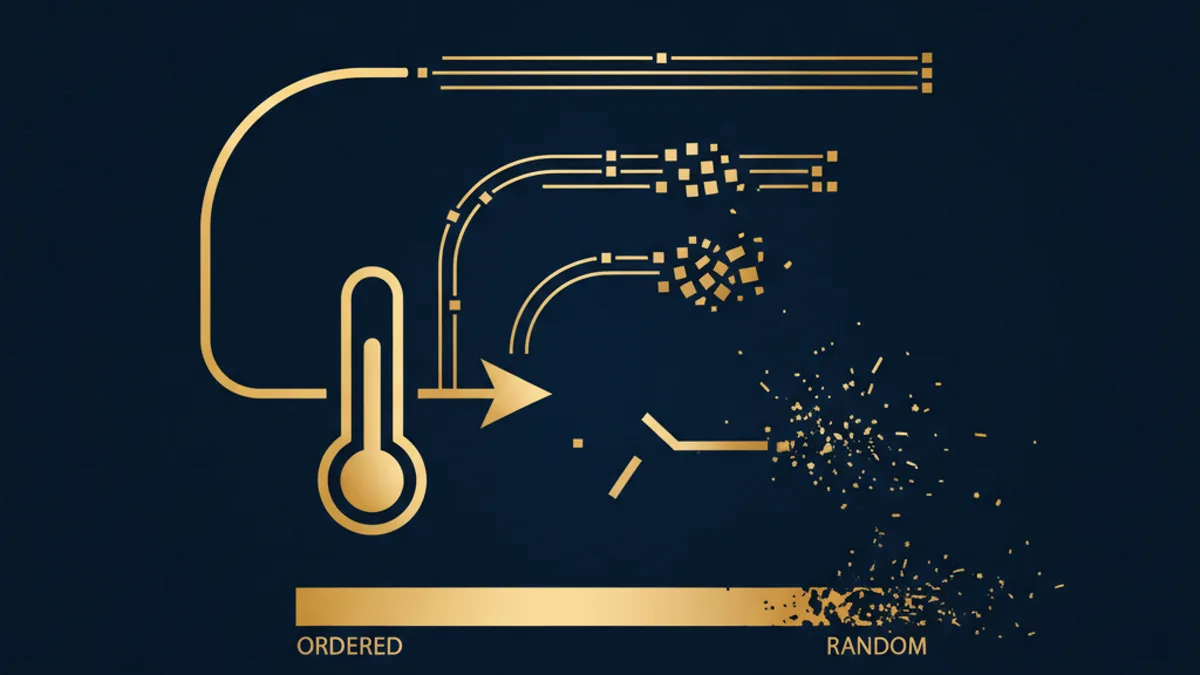
Temperature: Why the Same Question Gets Different AI Answers
Ask an AI system the same question twice and you can get two different answers. It is not a bug or a glitch: it is a design choice, controlled by a parameter called temperature. Temperature sets how much freedom the model gives itself when picking the next word: low, and answers become predictable and repeatable; high, and they become varied and creative but less stable. Understanding this parameter suddenly explains a lot of things that seem strange: why a model sometimes makes things up, why two tries do not match, why the same request works better one moment and worse the next. This is not a detail for engineers: it is the reason you cannot judge an AI system on a single answer, and why comparing multiple perspectives matters more than one lucky attempt.
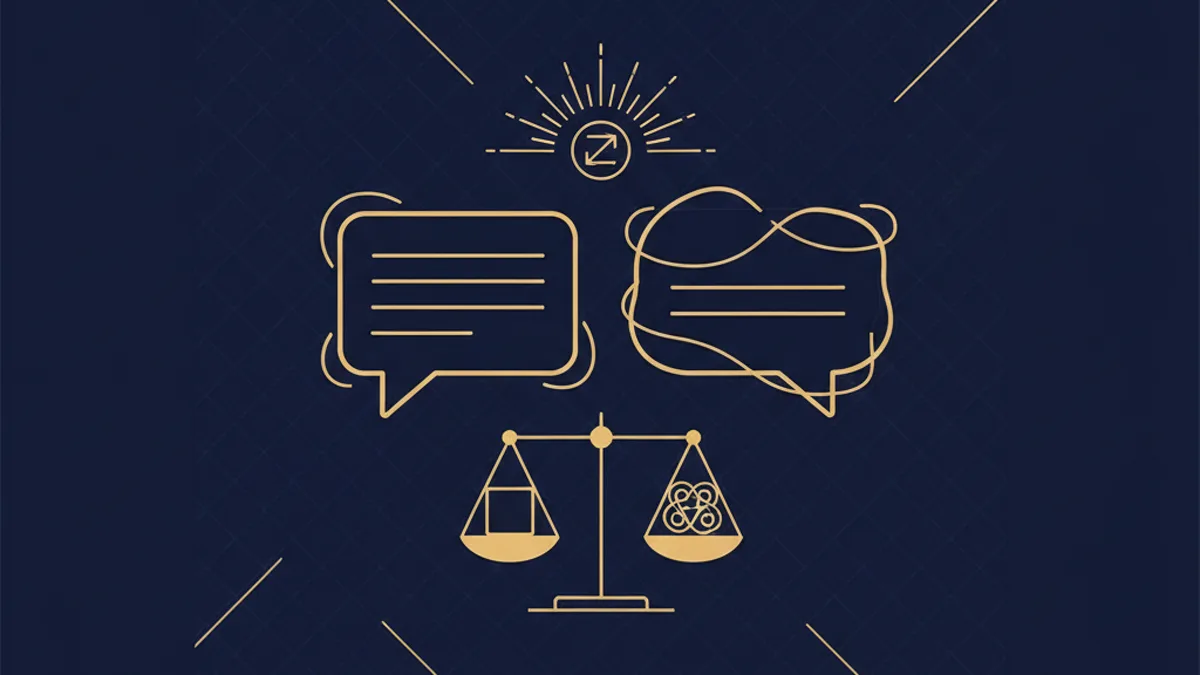
The second opinion: when it pays to ask AI for another one
In life we ask for a second opinion almost by instinct: the doctor before surgery, the friend who knows the field before a big purchase. With AI we should do the same, yet almost no one does: the first answer arrives instantly, sounds good, and we stop there. The problem is that a single voice never tells you how sure it is of what it writes, and fluency is not reliability. Asking for a second opinion, though, does not mean repeating the same question hoping for a better answer: it means testing the first one from a different angle. Knowing when it truly matters, when the first answer is enough, and how to ask so it adds something instead of confusing you is one of the habits that separates people who use AI with their head from those who trust it blindly.

Reliance on a single vendor: the strategic risk of single-vendor AI
Building an AI workflow around a single provider exposes you to price fluctuations, changes in quality, and model deprecation. Diversification isn’t a luxury—it’s operational resilience. What cloud computing teaches the world of enterprise AI.
All topics